

Most pet owners hope for the same thing: a long, happy life with the dog or cat they love. While genetics certainly play a role, one of the biggest factors influencing your pet’s health is something you can control: preventive veterinary care.
Many serious medical conditions begin quietly. Dental disease, kidney disease, diabetes, arthritis, heart disease, and certain cancers often develop gradually, showing few obvious symptoms until they’ve become more advanced. Regular veterinary visits are designed to catch these problems early, when treatment is often simpler, more effective, and less costly.
At Lehi Hills Veterinary Hospital, we believe prevention is the cornerstone of lifelong health. Routine wellness care isn’t just about annual vaccines. It’s a comprehensive approach that helps your pet stay healthy from puppyhood and kittenhood through their senior years.
Here’s why preventive veterinary care matters and how it benefits both your pet and your family.
What Is Preventive Veterinary Care?
Preventive care focuses on maintaining your pet’s health rather than simply treating illness after it develops.
Instead of waiting until your dog stops eating or your cat begins losing weight, preventive medicine looks for subtle changes before they become serious problems.
A preventive healthcare plan typically includes:
- Comprehensive wellness exams
- Vaccinations
- Parasite prevention
- Routine bloodwork
- Dental evaluations
- Nutrition counseling
- Weight management
- Diagnostic screening
- Behavioral guidance
- Senior wellness monitoring
Each of these services plays an important role in helping your pet live a healthier, more comfortable life.
Wellness Exams Are More Than a Physical Checkup
Many owners wonder why their pet needs an annual examination if they seem perfectly healthy.
The answer is simple: pets instinctively hide signs of illness.
By the time obvious symptoms appear, diseases are often much more advanced.
During a wellness examination, your veterinarian evaluates your pet from nose to tail.
This includes checking:
- Eyes and vision
- Ears
- Teeth and gums
- Heart and lungs
- Skin and coat
- Abdomen
- Joint mobility
- Weight
- Muscle condition
- Lymph nodes
Your veterinarian also discusses your pet’s behavior, appetite, activity level, and any changes you’ve noticed at home.
These conversations often uncover small concerns that deserve additional evaluation before they become larger medical issues.
Vaccinations Continue to Protect Throughout Life
Vaccines are one of the most successful forms of preventive medicine available.
They protect pets against contagious diseases that can cause severe illness or even become fatal.
Your veterinarian develops a personalized vaccination schedule based on factors including:
- Age
- Lifestyle
- Boarding needs
- Travel
- Exposure to other animals
- Local disease risks
Not every pet needs the exact same vaccine schedule, which is why individualized care is so important.
Keeping vaccinations current protects both your pet and the broader pet community.
Parasite Prevention Is Easier Than Treatment
Fleas, ticks, intestinal parasites, and heartworms don’t simply cause irritation.
They can lead to significant health problems ranging from anemia and skin infections to heart and lung disease.
Many parasites are also difficult to detect without testing because pets may appear completely healthy during the early stages of infection.
Preventive medications offer reliable protection while reducing the risk of expensive treatments later.
Routine fecal examinations and heartworm testing help ensure these preventive programs continue working effectively.
Your Pet’s Weight Matters More Than You Think
Obesity has become one of the most common health problems affecting dogs and cats.
Excess weight increases the risk of:
- Arthritis
- Diabetes
- Heart disease
- Breathing difficulties
- Joint injuries
- Reduced lifespan
Because weight gain often occurs gradually, many owners don’t notice small changes over time.
During wellness visits, your veterinarian monitors body condition and recommends adjustments to nutrition or exercise when necessary.
Maintaining a healthy weight is one of the simplest ways to improve your pet’s long-term health.
Dental Disease Is Often Hidden
Bad breath isn’t simply a cosmetic issue.
It frequently signals underlying dental disease.
In fact, most adult dogs and cats develop some degree of periodontal disease by the age of three.
Without treatment, bacteria below the gumline continue damaging teeth, gums, and supporting bone.
Over time, infection can spread beyond the mouth and affect major organs.
Routine dental evaluations allow veterinarians to identify problems early.
Professional dental cleanings remove plaque and tartar where brushing alone cannot reach, helping prevent painful infections while improving overall health.
Diagnostic Testing Can Detect Problems Before Symptoms Appear
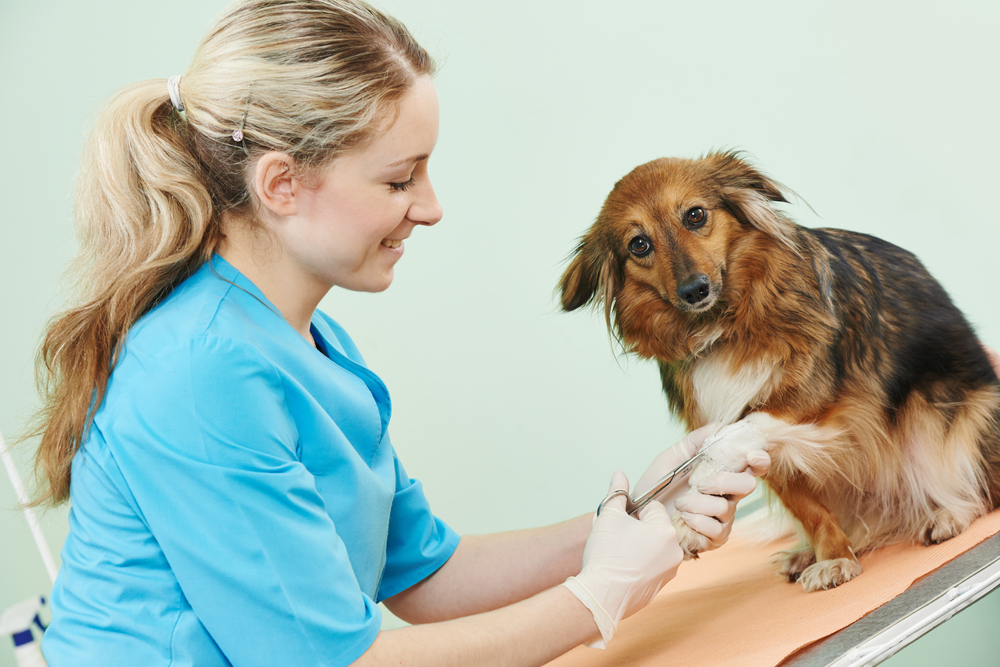
One of the greatest advances in modern veterinary medicine is the ability to diagnose disease before pets appear seriously ill.
Routine laboratory testing provides valuable information about your pet’s internal health.
Bloodwork can help detect:
- Kidney disease
- Liver disease
- Diabetes
- Thyroid disorders
- Infection
- Anemia
- Electrolyte imbalances
Urinalysis offers additional insight into kidney function, urinary tract health, and hydration status.
These screenings become even more valuable as pets age.
Advanced Imaging Helps Find Answers Faster
Sometimes physical examinations and bloodwork don’t provide enough information.
That’s where diagnostic imaging becomes essential.
Digital X-rays
Digital radiographs allow veterinarians to evaluate:
- Broken bones
- Arthritis
- Heart enlargement
- Lung disease
- Bladder stones
- Foreign objects
- Certain cancers
Because digital images are available almost immediately, treatment decisions can begin quickly.
Ultrasound
Ultrasound provides detailed images of internal organs without surgery.
Veterinarians use ultrasound to evaluate:
- Liver
- Kidneys
- Spleen
- Bladder
- Intestines
- Pancreas
- Reproductive organs
Ultrasound often helps diagnose conditions that cannot be detected through X-rays alone.
Early Treatment Often Prevents Bigger Problems
One of the greatest benefits of preventive care is identifying problems before they become emergencies.
For example:
A small skin mass can often be removed more easily than a much larger tumor.
Early arthritis can frequently be managed before significant mobility loss occurs.
Kidney disease discovered through routine bloodwork often responds better to treatment than advanced kidney failure.
Preventive medicine gives veterinarians the opportunity to intervene sooner, improving outcomes while reducing stress for both pets and owners.
Caring for Senior Pets
Thanks to advances in veterinary medicine, today’s pets are living longer than ever before.
As they age, however, regular monitoring becomes increasingly important.
Senior wellness programs often recommend examinations every six months because health changes can occur more rapidly.
Additional screening may include:
- Comprehensive blood panels
- Urinalysis
- Blood pressure measurement
- Arthritis evaluations
- Cognitive health discussions
- Weight monitoring
These appointments allow veterinarians to develop individualized treatment plans that help older pets remain comfortable and active.
Surgery Is Sometimes Preventive, Too
Many people think surgery is only performed after illness develops.
In reality, several common surgical procedures are preventive.
Examples include:
- Spaying and neutering
- Removing suspicious masses early
- Dental extractions before severe infection develops
- Correcting certain orthopedic conditions before arthritis progresses
When surgery is necessary, modern anesthesia protocols, advanced monitoring equipment, and individualized pain management help keep pets as safe and comfortable as possible throughout the procedure and recovery.
Prevention Strengthens the Human-Animal Bond
Healthy pets are able to enjoy more of the activities they love.
Whether it’s hiking Utah’s trails, playing fetch in the backyard, greeting family members at the door, or curling up beside you on the couch, good health allows pets to remain active participants in family life.
Preventive care also provides owners with confidence.
Instead of wondering whether subtle changes are normal, you’ll have an experienced veterinary team monitoring your pet’s health year after year.
That ongoing relationship creates continuity, trust, and personalized care tailored to your pet’s unique needs.
A Lifetime of Better Health Starts Today
Preventive veterinary care is one of the most valuable gifts you can give your pet. Routine wellness exams, vaccinations, dental care, laboratory testing, diagnostics, nutrition guidance, and early disease detection all work together to help pets live longer, healthier, and more comfortable lives.
At Lehi Hills Veterinary Hospital, we’re committed to providing comprehensive, personalized care for every stage of your pet’s life. Whether you’ve recently welcomed a new puppy, are caring for an active adult dog, or want to help your senior cat age comfortably, our experienced veterinary team is here to partner with you every step of the way. Schedule your pet’s next wellness visit today and discover how preventive care can make a lifetime of difference.